

Are you thinking of, or trying to learn how to tune pianos?
If you are, I know the pain you are experiencing intimately.
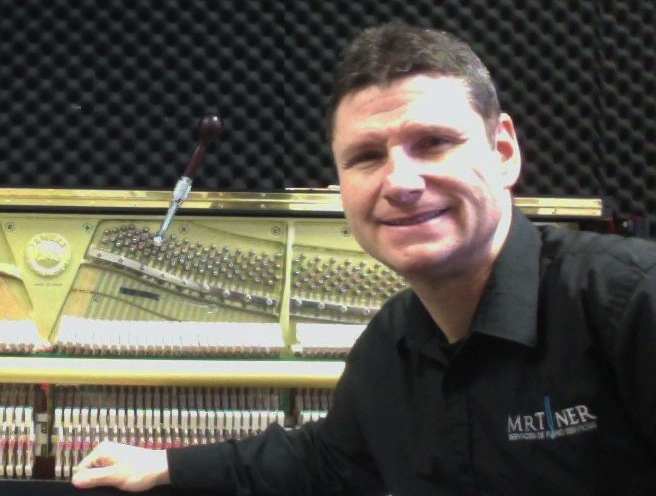
My name is Mark Cerisano and I am a Registered Piano Technician, but I wasn't always.
In fact, when I started, I was pretty doggone awful!
My unisons were bad, my stability was bad, I couldn't set a temperament, my stretch was off. Basically I was just faking it. Most people didn't know, but I did!
And I couldn't find anyone who could help me. I mean, really explain to me what to do and why it worked. I was frustrated!
People tried, but I would always be able to ask them questions they just couldn't answer and that bothered me because these were good questions.
The answers to these questions would finally help me learn to become a great aural piano tuner.
Nobody could answer these questions, so I had to answer them myself.
- Is 1 bps wide really the best size for the P4, or is 3 beats in 5 seconds narrow really the best size for the P5.
- How can I make very small changes in pitch and have it remain stable?
- Do I have to hurt my ears with damaging hard blows every time I tune?
- Is guessing at the octave size the only way to tune the treble and bass?
- How can I fast track my ear so I can finally hear these beats?
Well, I finally did it. I figured out exactly how to tune a piano by ear that produces the best results ever!
I'm never worried that my aural tuning will ever be criticized by any pianist or concert hall manager, ever, because I have been able to figure out a way to tune pianos by ear that works.
- Never have to use hard blows again!
- Tune a temperament in one pass!
- Never have to use multiple checks again!
- Make tiny changes in pitch (<0.5 cents) and have it remain stable!
- Super charge your ear to hear beats more clearly!
- Finally know exactly where to place every pitch, whether mid-range, treble, or bass, so that the tuning sings!
People will be amazed at what you are able to do. They will be asking, "How did you get my piano to sing so sweetly in the treble? I love it!"
Other piano technicians will be amazed at not just how much you know about piano tuning theory, but how you are able to get accurate, precise and efficient aural tunings after only a few months when they been struggling for 30 years.
Well, attend this conference and you will be able to tell them that you learned the Go A.P.E. Aural Piano Tuning System for the most Accurate, Precise, and Efficient aural tunings ever!
Registration Fees
HowToTunePianos.com Members
Before February 15: $139 per class $99 per class!!!
After February 15: $159 per class $119 per class!!!
Non-Members
Before February 15: $179 per class
After February 15: $199 per class
ALL CLASSES WILL BE RECORDED AND REGISTRANTS WILL HAVE LIFETIME ACCESS TO CLASS RECORDINGS!
Register for 5 classes and get the 6th class FREE!
One week FREE access to all content on HowToTunePianos.com for every class registration.
e.g. Register for 5 classes, get the 6th class free and get 6 months access to HowToTunePianos.com, a $594 value!
IMPORTANT: As soon as you sign up, your access starts and doesn't finish until the number of months past February 21st, the last day of classes.
That means, if you sign up at the time of this writing (Dec 14th) for only one class, you get one month free access and your access ends on March 21st, a full THREE MONTHS and 1 WEEK LATER!!!
So the earlier you sign up, the more value you get!
Registration Procedure
Use the buttons below to register for the conference.
Once you choose how many classes you would like to register for, you will receive an email where you can choose which classes you would like to attend.
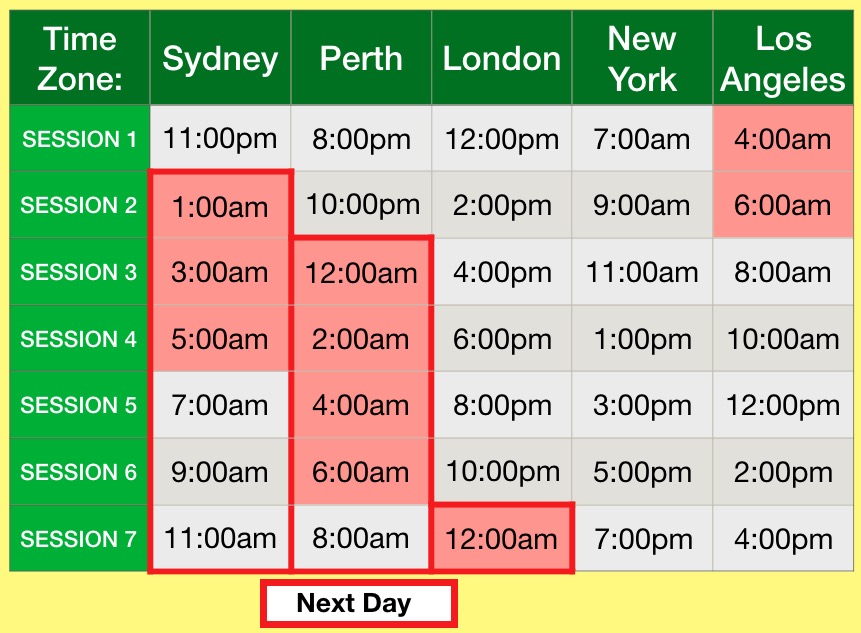
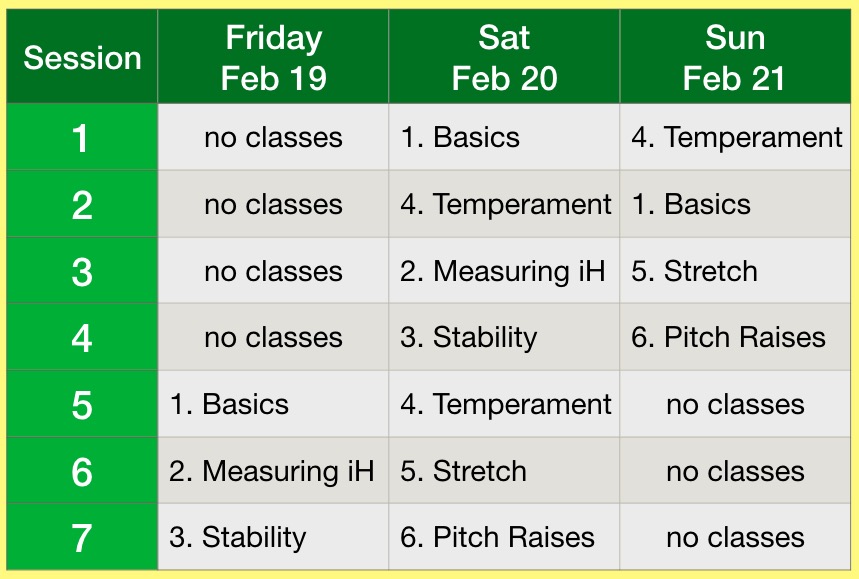
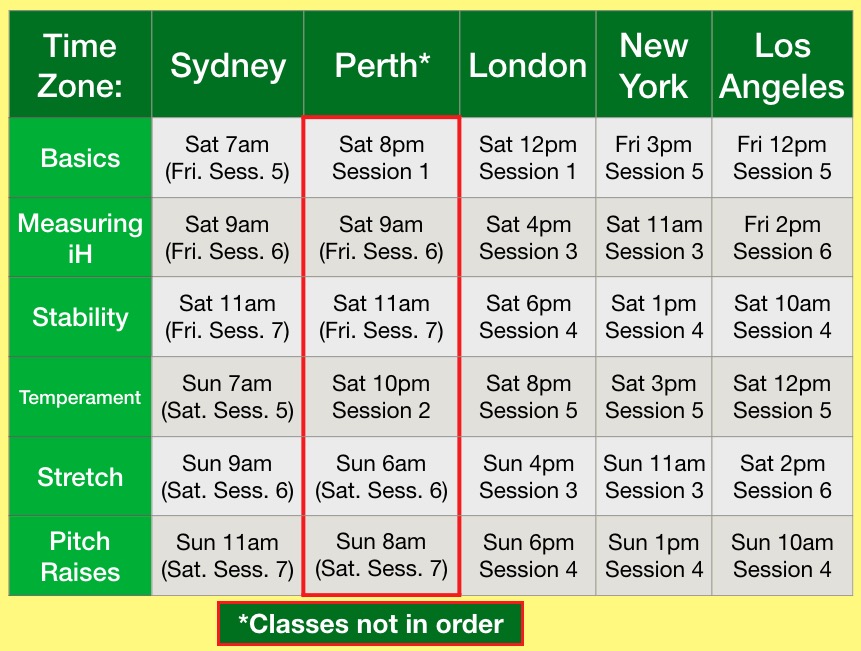
NOTE: Each class is offered multiple times. You can attend as many of that class as you like.
1. Choose your option below - Member or General Public, Before or After Feb 15.
2. Choose the number of classes you want to register for. 1 to 5. (Register for 5, get the 6th FREE!)
Choose the number of classes you would like to take by clicking the drop down menu below or to the right of the class registration option. The default value is "1".
3. Pay securely by PayPal or Credit Card.
Testimonials



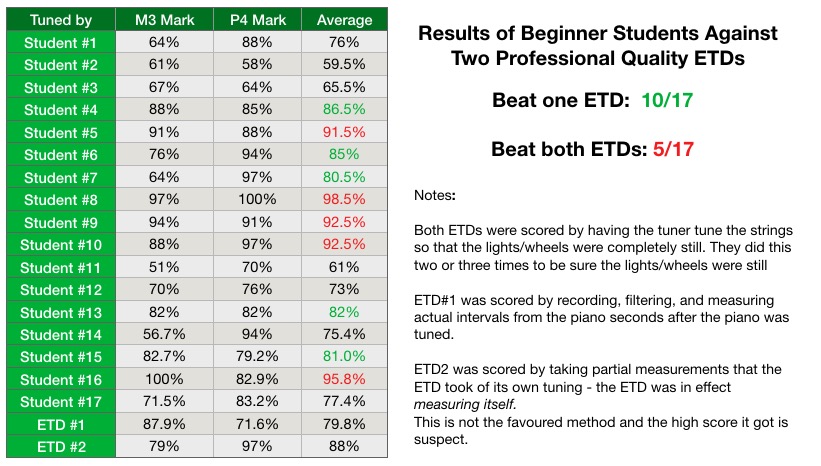
This conference promises to be the most valuable you will ever attend. Learning how to tune pianos aurally to a level that has been proven to beat the most expensive electronic tuning devices when used by students using the method for only a few months means that you will have at your finger tips, the most accurate, precise, and efficient method known that will allow you to tune concert level tunings with ease using only your ear.
Looking forward to seeing you online!
Mark Cerisano, RPT, B.Sc.(Mech.Eng.), Dip. Ed.
Results of Student Tunings Against Two Professional Level ETDs